
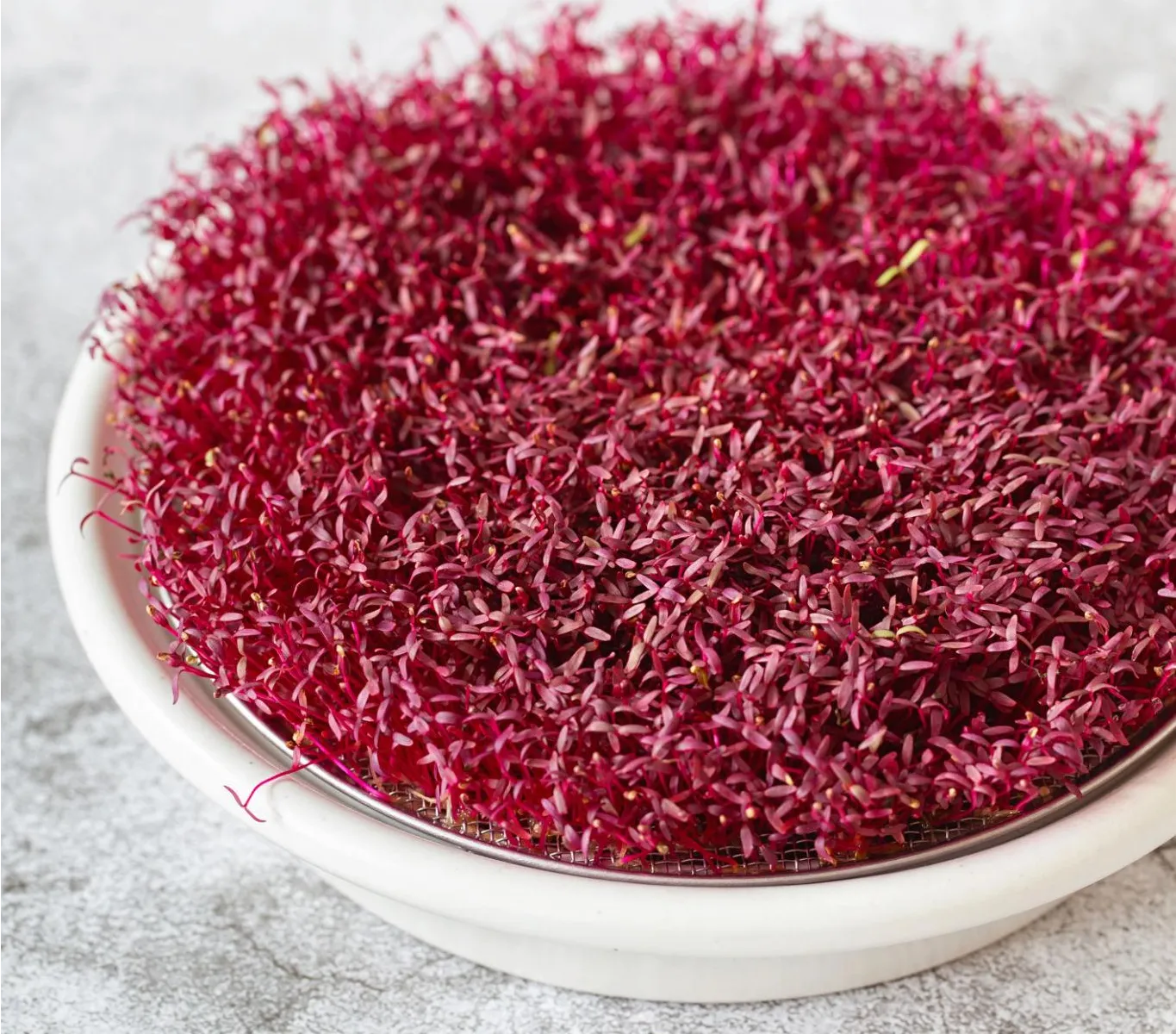
Amaranth is one of the oldest cultivated plants in the world. It was valued by the Aztecs and Incas thousands of years ago — not only as food, but also as a symbol of strength and permanence. The name itself means 'the immortal', which reveals a lot about the significance of this plant.
Interestingly, amaranth is not botanically a classic cereal. It belongs to the so-called pseudo-cereals, similar to quinoa, and is naturally gluten-free. Today, amaranth is grown in many parts of the world — from South America to India and Europe — and is currently experiencing a real comeback in modern nutrition.
How is amaranth used?
Traditionally, amaranth is mostly used as a grain — similar to rice or quinoa. It can be cooked, puffed or processed into flour and is found in muesli, baked goods or snacks. In some cultures, amaranth oil is also used, which is rich in valuable fatty acids.
Especially in plant-based nutrition, amaranth has a firm place, because it is not only versatile but also brings an interesting nutrient composition.
Who is amaranth particularly interesting for?
Amaranth is ideally suited to an active and conscious lifestyle. It is frequently valued by athletes, but also by people who eat plant-based or want to avoid gluten.
Its combination of nutrients makes it a good choice for all those who want to give their body more energy and support in everyday life.
Why amaranth as microgreens is particularly exciting
While amaranth as a grain already offers many advantages, it becomes even more interesting in the form of microgreens. In this early growth phase, the plant concentrates particularly many nutrients, which can also be more easily absorbed by the body.
Amaranth microgreens immediately stand out for their intense red color — they are not only healthy, but also visually a real highlight on the plate. Their taste is mild and slightly nutty, making them versatile in use.
Amaranth microgreens contain, among other things, iron, magnesium and various Antioxidants. This combination can support the body in a natural way — whether for energy supply, recovery or cell protection.
Especially for people with an active lifestyle, this form of nutrient density can make a noticeable difference.
Amaranth in everyday life — fresh and practical solutions
The great thing about microgreens is that they can be integrated into everyday life incredibly easily. Those who wish can even grow amaranth at home — fresh, sustainable and always at hand.
At the same time, there are also practical alternatives: in freeze-dried form, the nutrients are largely preserved, so microgreens can easily be integrated into smoothies or meals.
Amaranth is part of, among others:
Amaranth is an impressive example of how traditional knowledge and modern nutrition come together.
As microgreens, it becomes a particularly concentrated source of nutrients — simple in application and versatile in everyday life.