
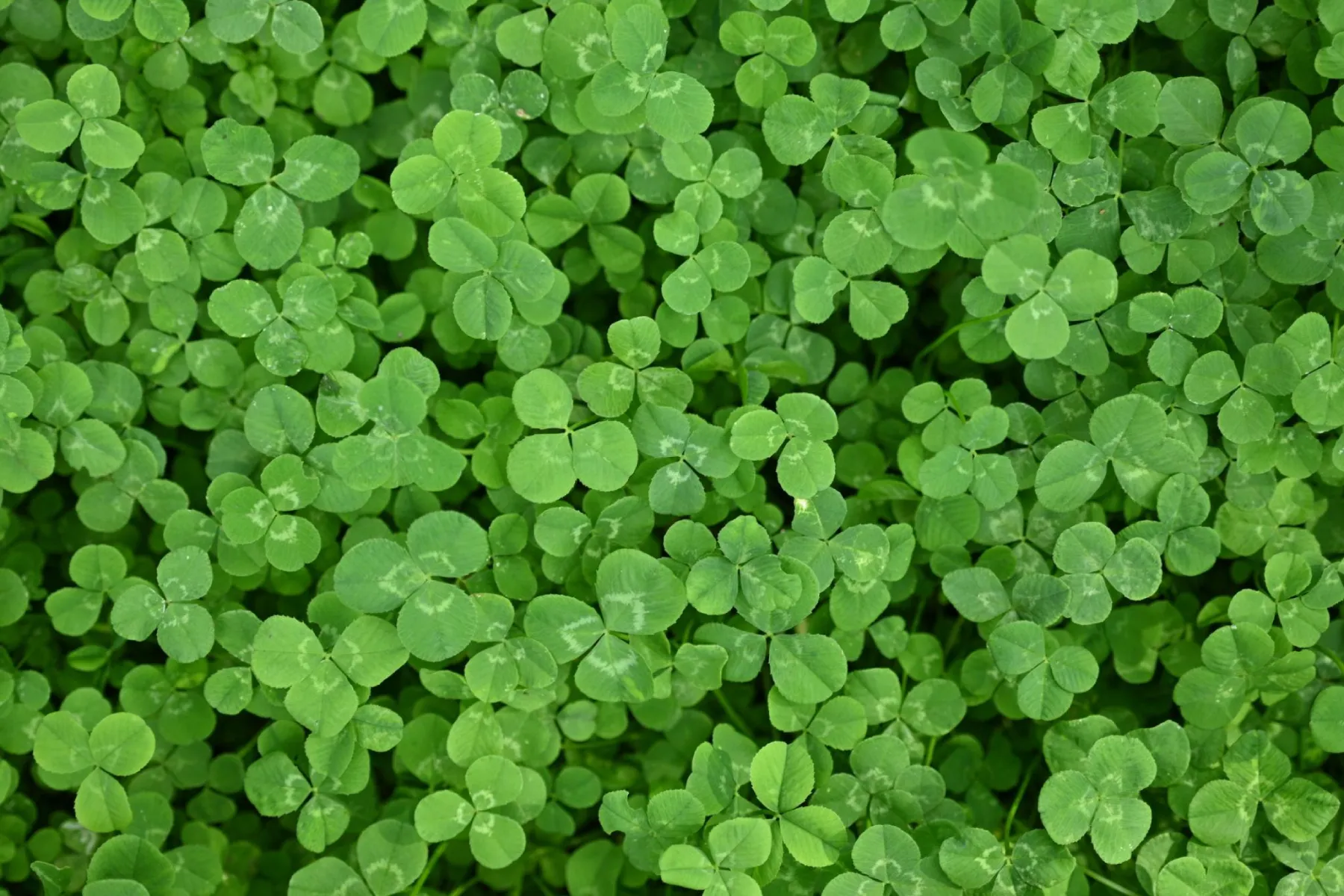
Clover (Trifolium) is one of the most well-known meadow plants in Europe. Almost everyone has seen it at some point — in fields, gardens or along roadsides. With its typical three-leafed leaves, it stands in many cultures for luck and naturalness.
Botanically, clover belongs to the legume family. This means it is naturally rich in nutrients and can even contribute to improving soil quality.
For centuries, clover has been used not only as a fodder plant, but also valued in nutrition and herbalism.
Traditionally, clover finds application in various areas. Red clover in particular is well-known and frequently used in teas or herbal products.
In modern nutrition, clover is experiencing new significance. It is increasingly used as a fresh ingredient — especially in the form of sprouts or microgreens, which can be easily integrated into everyday life.
Why clover is so healthy
Clover contains a balanced combination of vitamins, minerals and secondary plant compounds. Particularly interesting is that these nutrients occur in natural form and can be well absorbed by the body.
Clover contains, among other things, vitamin C, which supports the immune system, as well as vitamin A, which plays a role for skin and vision. B vitamins are also present, which are important for energy metabolism.
In addition, clover provides minerals such as calcium, magnesium, potassium and iron. These are involved, among other things, in the function of muscles, nerves and blood formation.
This profile is complemented by antioxidant plant compounds that can support the body in everyday life.
Clover has long been valued in traditional herbalism. Red clover in particular was used in various versatile ways in different cultures.
In naturopathy, clover is frequently used in the form of teas or herbal mixtures. Traditionally, it is associated with general wellbeing, supporting natural body processes and skin care.
Red clover is also frequently mentioned in connection with hormonal balance.
Important: these are traditional applications and not medical statements. Today, clover is primarily valued as part of a balanced diet.
Clover in everyday life
Clover can be very easily integrated into the daily diet. Fresh microgreens can complement salads, bowls or sandwiches and give meals a natural freshness. Those who wish can even grow clover at home and enjoy fresh microgreens at any time. This is not only practical, but also a conscious and sustainable way to eat.
In the form of microgreens, clover becomes particularly exciting. In this early growth phase, the plant contains a high concentration of nutrients and is at the same time easy to digest.
Clover microgreens have a mild, fresh taste and go well with many dishes. They bring not only additional nutrients, but also lightness and freshness into everyday life.