
-

Daikon – the Japanese radish and its remarkable benefits as microgreens
What is daikon? Daikon (Raphanus sativus var. longipinnatus) is an Asian form of radish and belongs, like broccoli, cabbage, and common radish, to the brassica family (Brassicaceae). Its name comes from Japanese and literally means “large root” (Dai = large, Kon = root). With a length of up to 50…
-

What is mizuna?
Mizuna (Brassica rapa var. nipposinica) belongs to the brassica family and is closely related to cabbage, pak choi, and mustard. It originates from East Asia and has been cultivated for centuries, particularly in Japan. Although mizuna is often referred to as “Japanese mustard greens”, it has a considerably milder flavour than…
-

Microgreens vs sprouts – which is healthier?
Anyone exploring healthy eating for the first time very quickly comes across two terms: sprouts and microgreens. They are often used interchangeably. In the supermarket, in recipes, or on social media, both terms are frequently confused. And yet they actually refer to two different development stages of the same plant. Both…
-
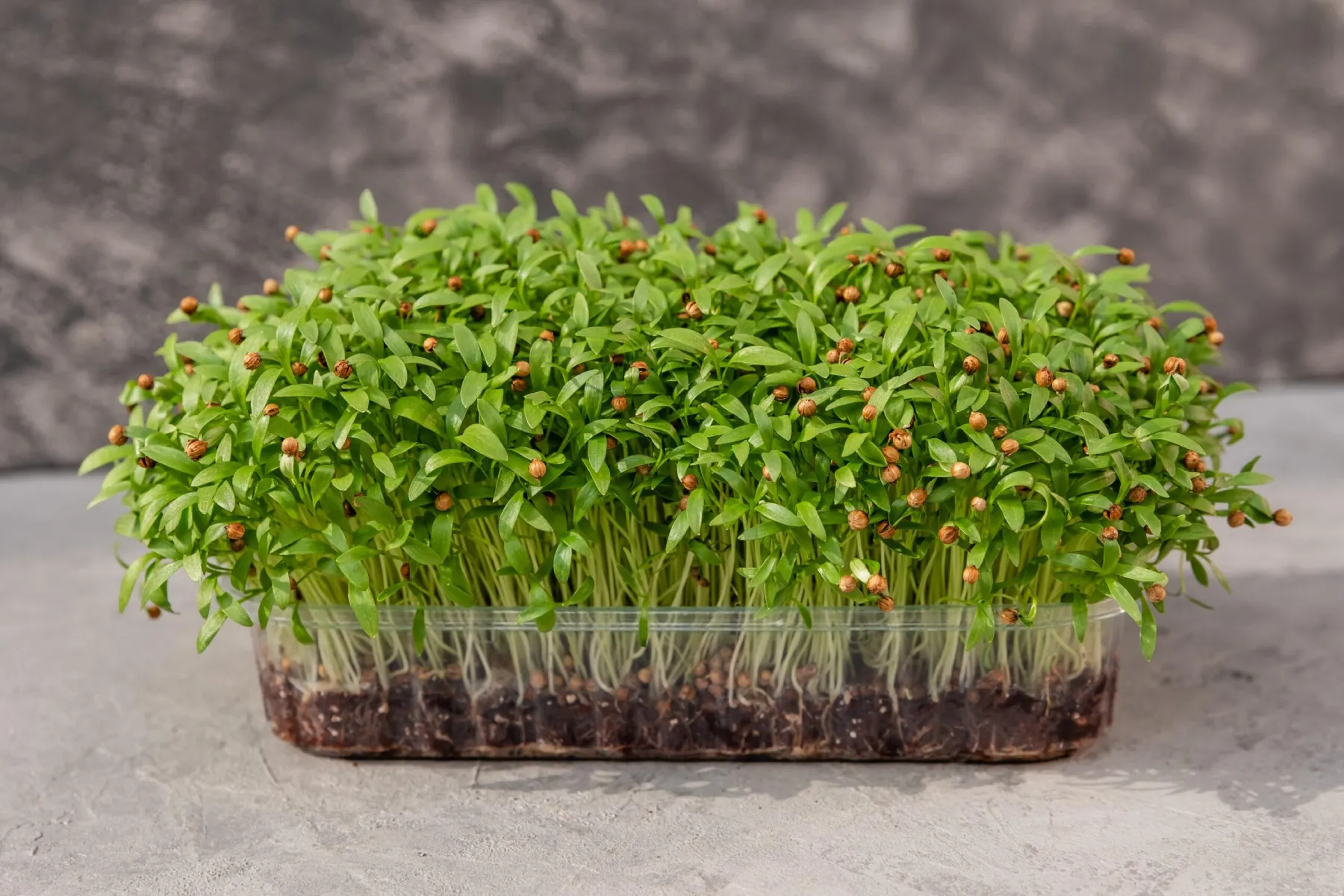
Coriander – the aromatic super herb and its power as microgreens
What is coriander? Coriander (Coriandrum sativum) is one of the oldest known spice and medicinal plants in the world. It was already cultivated in ancient Egypt and was considered a valuable crop. Archaeologists even found coriander seeds in the tomb of Pharaoh Tutankhamun. Greeks and Romans also used coriander both as a spice and as a medicinal plant.…
-

The best ways to use and store microgreens
Why proper storage of microgreens matters. Microgreens are among the freshest foods available. That is precisely their strength – but also their challenge. After harvest, the young plants do not stay fresh indefinitely. It is therefore worth thinking ahead, before buying or growing, about how to best use and store microgreens…
-

Lupin – the underrated protein crop of the future
What is lupin? Lupins belong to the legume family and have been cultivated for over 2,000 years. Originally from the Mediterranean region, they were already prized by the ancient Greeks and Romans. Today the lupin is making a remarkable comeback and is considered one of the most promising plant-based protein sources in Europe. In…
-

Chickpeas – a modern superfood
The chickpea (Cicer arietinum) is one of the oldest cultivated plants in human history. Archaeological finds show that it was already being grown in the Near East more than 7,000 years ago. From there it spread via the Mediterranean to Europe, India, and Africa. Today the chickpea is one of the most important legumes worldwide.…
-
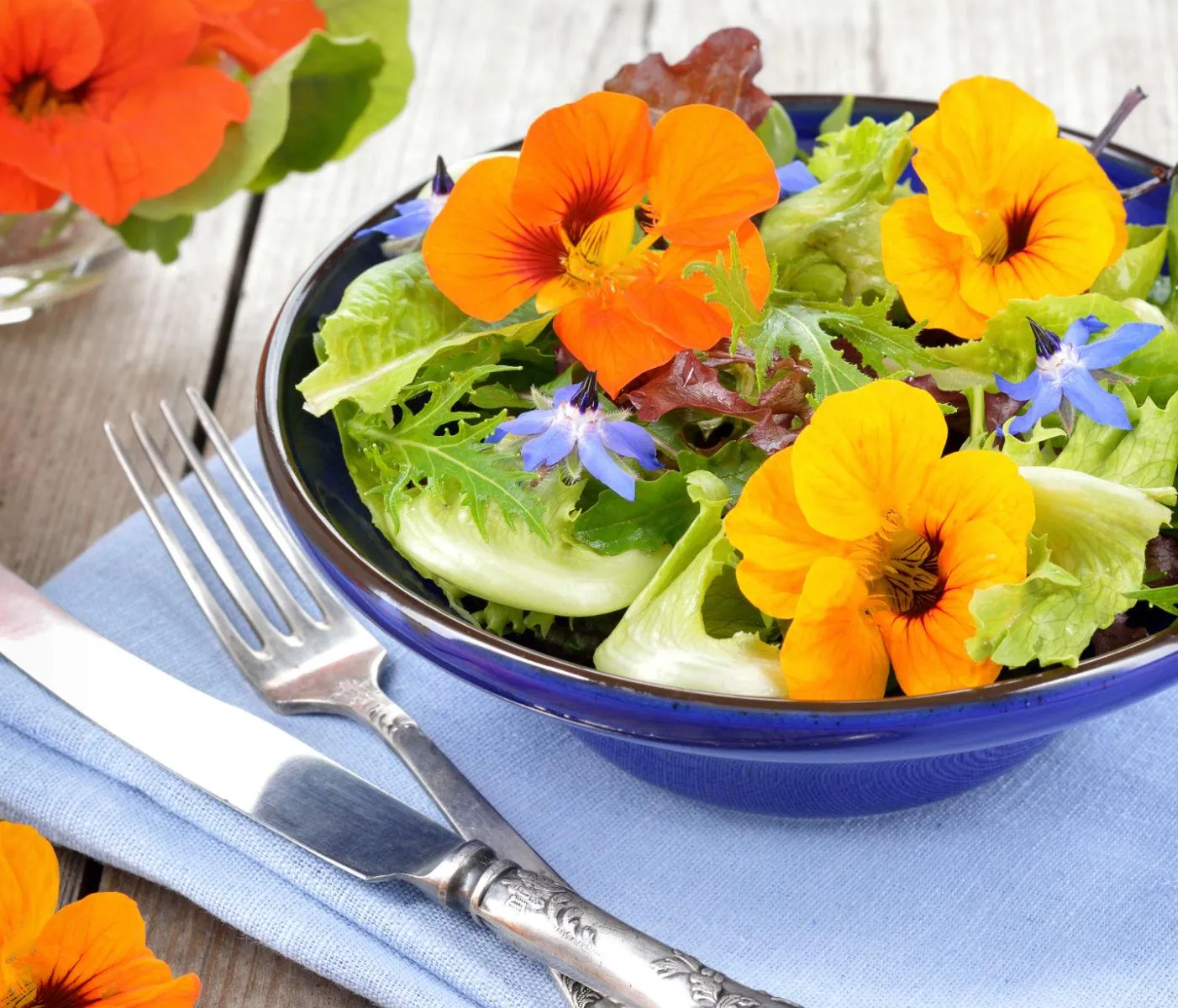
What is nasturtium?
Nasturtium (Tropaeolum) is a versatile plant from South America that is now widespread across Europe. Its vivid flowers and round leaves make it not only decorative but also a fascinating ingredient in the kitchen. Particularly interesting is the fact that almost the entire plant is edible – both leaves and…
-
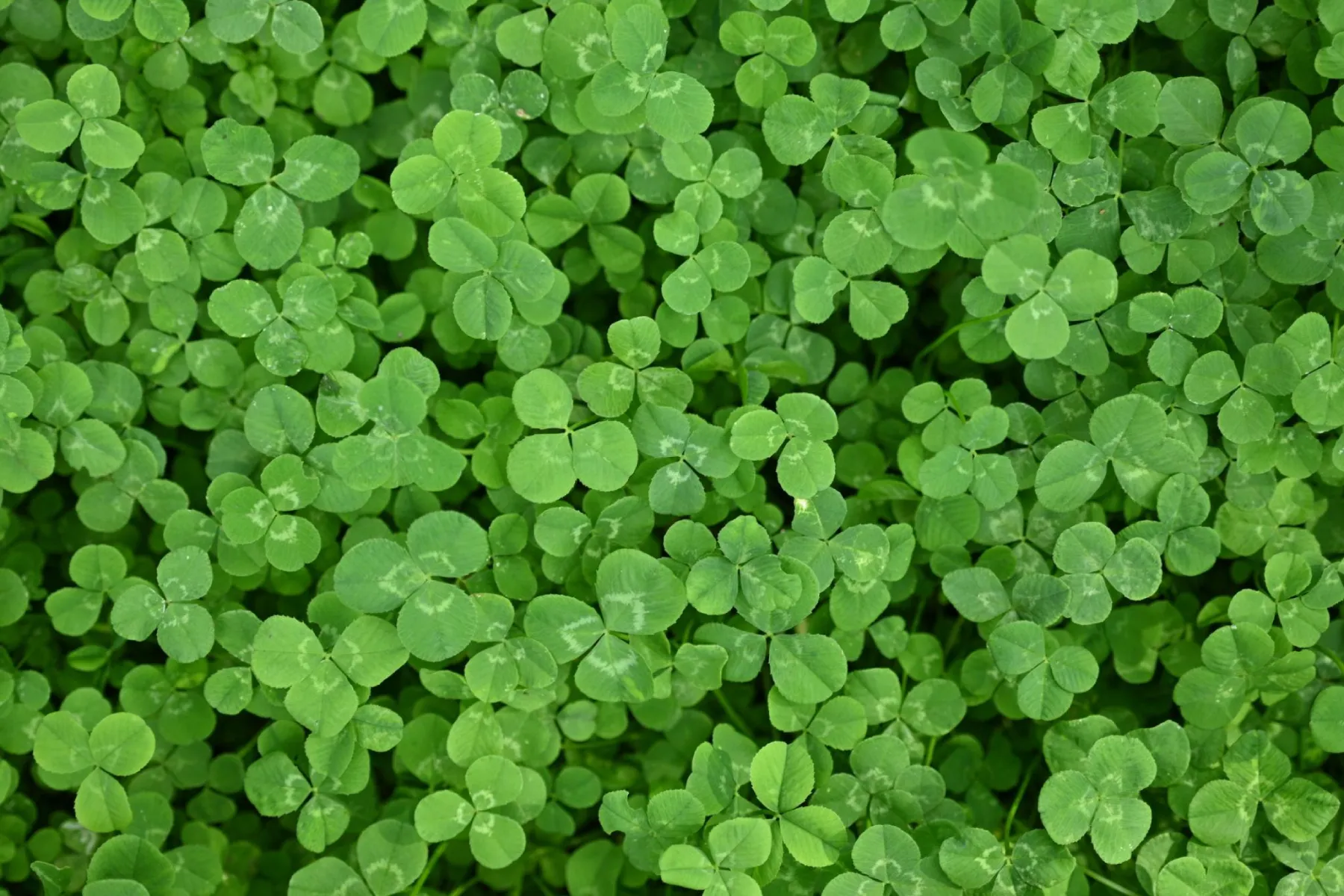
What is clover?
Clover (Trifolium) is one of the best-known meadow plants in Europe. Almost everyone has seen it at some point – in fields, gardens, or along roadsides. With its typical three-leafed shape, it symbolises luck and naturalness in many cultures. Botanically, clover belongs to the legume family, which means it naturally…
-
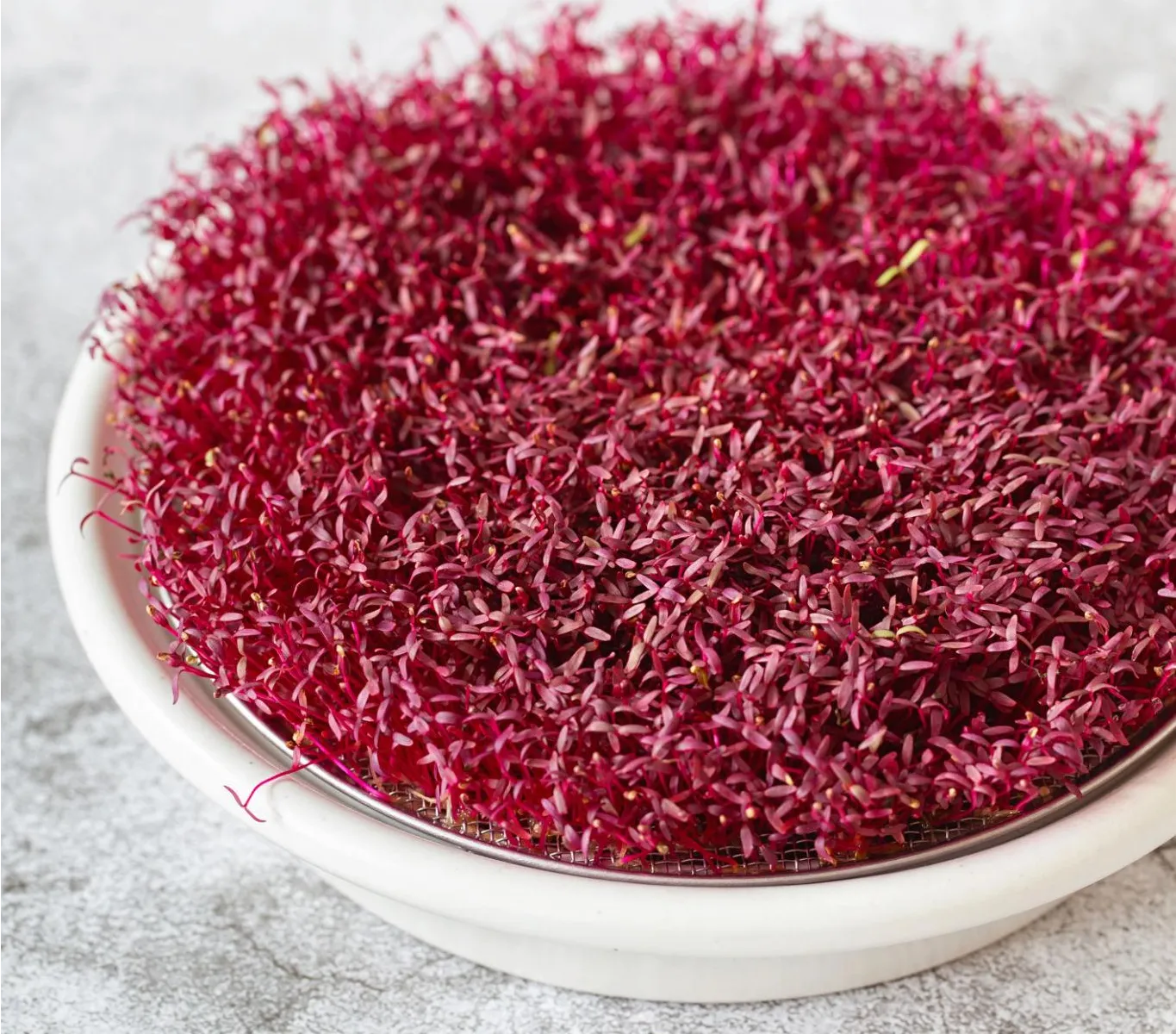
Amaranth — ancient superfood and its power as microgreens
Amaranth is one of the oldest cultivated plants in the world. Thousands of years ago it was prized by the Aztecs and Incas - not only as food, but also as a symbol of strength and permanence. The name itself means the immortal, which says a lot about the significance of this plant. Interestingly,...